Craft beer
Craft beer in English market towns
The craft beer movement arrived in English market towns later and has taken a different form - smaller, more local, more integrated with existing pub culture.

Marcus Osei
Contributing Editor - Published 8 April 2026
The delayed arrival
Craft beer arrived in English cities first - London, Manchester, Bristol, Leeds - and took the better part of a decade to establish itself in smaller markets. The reasons were structural. Market towns do not have the density of young, interested drinkers that makes a specialist bar viable. The population drinks more regularly and more conservatively than a city demographic. The risk of opening a craft beer bar in a town of twenty thousand people is significantly higher than in an urban neighbourhood.
The result is that market-town craft beer tends to be further along in its evolution - less evangelical, less eager to explain itself, more settled into the normal drinking culture of its town. This produces a different kind of venue than the original London craft bars, and often a better one.
What it looks like now
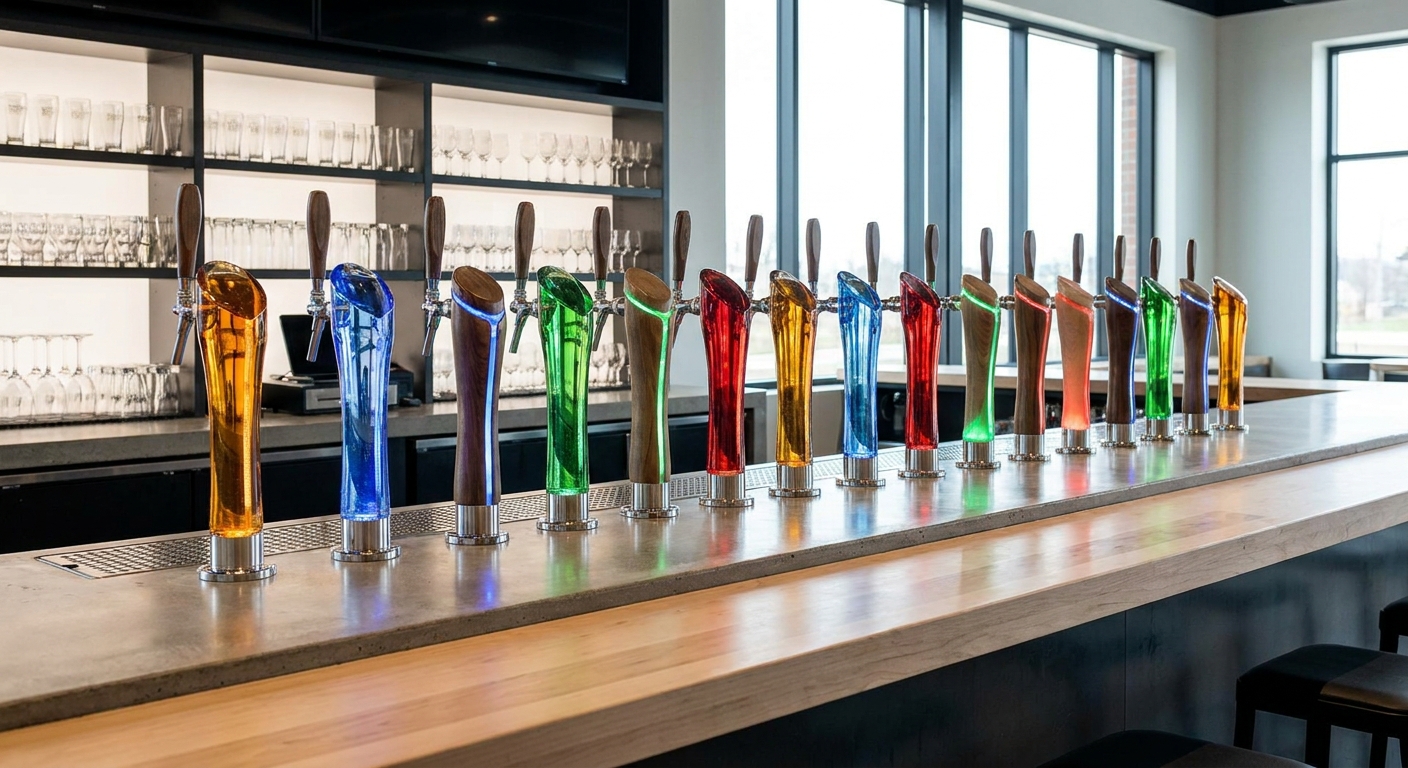
The market-town craft beer bar of 2026 typically has eight to twelve keg taps, a managed can and bottle selection, and a pricing structure that reflects local economic realities rather than London hospitality economics. It is usually run by someone who has moved from a city environment and understood that the format needed adjustment, not replication.
The Laboratory in Chelmsford and The Packhorse in Staines are representative examples. Both operate a rotating keg list with genuine editorial intention, both have a bottle and can selection curated to a manageable size, and both have pricing that keeps them accessible to the local population rather than positioning themselves as premium destinations.
The relationship with traditional ale
In market towns, craft beer and real ale are less in competition than they are in cities. The town’s population drinks both, and the best bars and pubs stock both without treating them as competing philosophies. The Beehive in Bishops Stortford keeps excellent real ale; The Laboratory keeps excellent craft keg. They attract different visits from the same people rather than different people.
This integration is the most interesting development in market-town beer culture over the past decade. The culture wars of the craft beer movement - craft versus real, keg versus cask - have largely dissolved at the local level, replaced by a pragmatic approach that serves both without apology.
The local brewery question
Several of the towns in the Baroosh guide are within reasonable distance of functioning breweries - McMullen’s in Hertford is the most significant, but smaller producers operate across Cambridgeshire, Essex, and Buckinghamshire. The craft beer bar that features local production prominently - not tokenistically - is doing something genuinely valuable for the regional brewing ecosystem. This is worth supporting.